
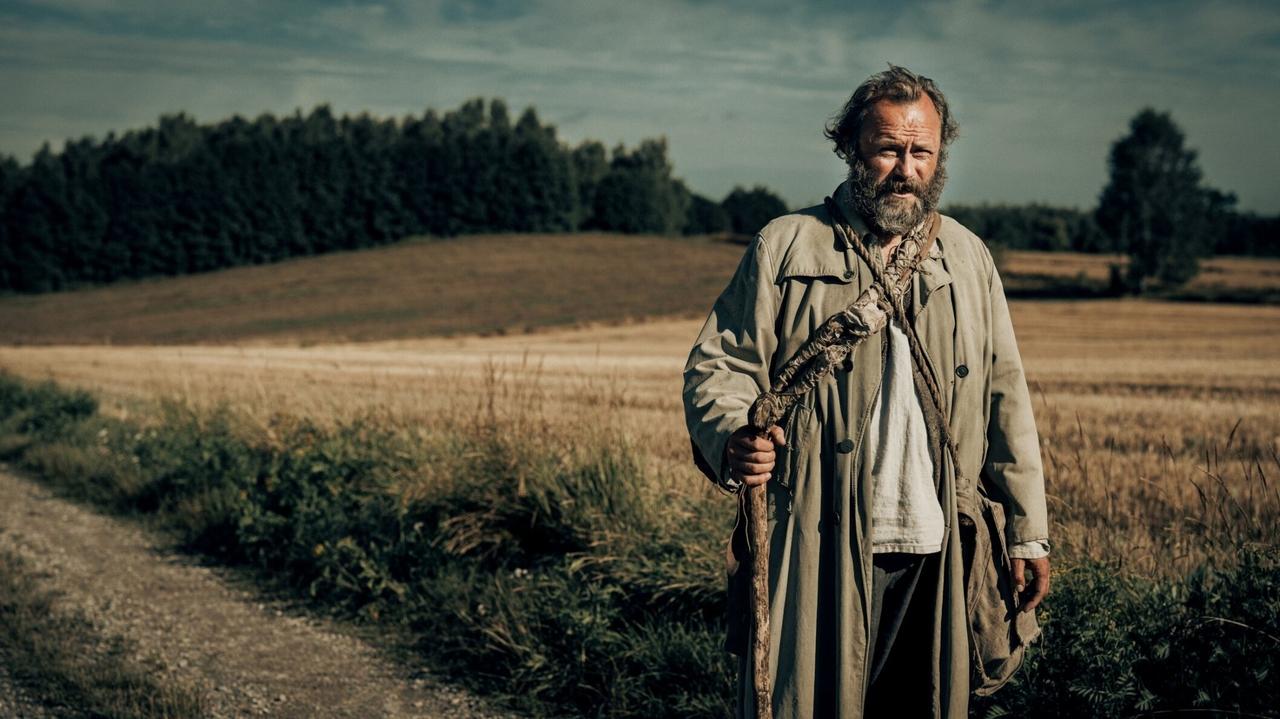
Featured film
Forgotten Love
A once-respected surgeon who's lost his family and his memory gets a chance at redemption when he reconnects with someone from his forgotten past.
▶ Story and castCinema BZ
200 films in Polish, Dutch, Hungarian, Czech and Slovak, 1955 to 2026, chosen for the whole household.
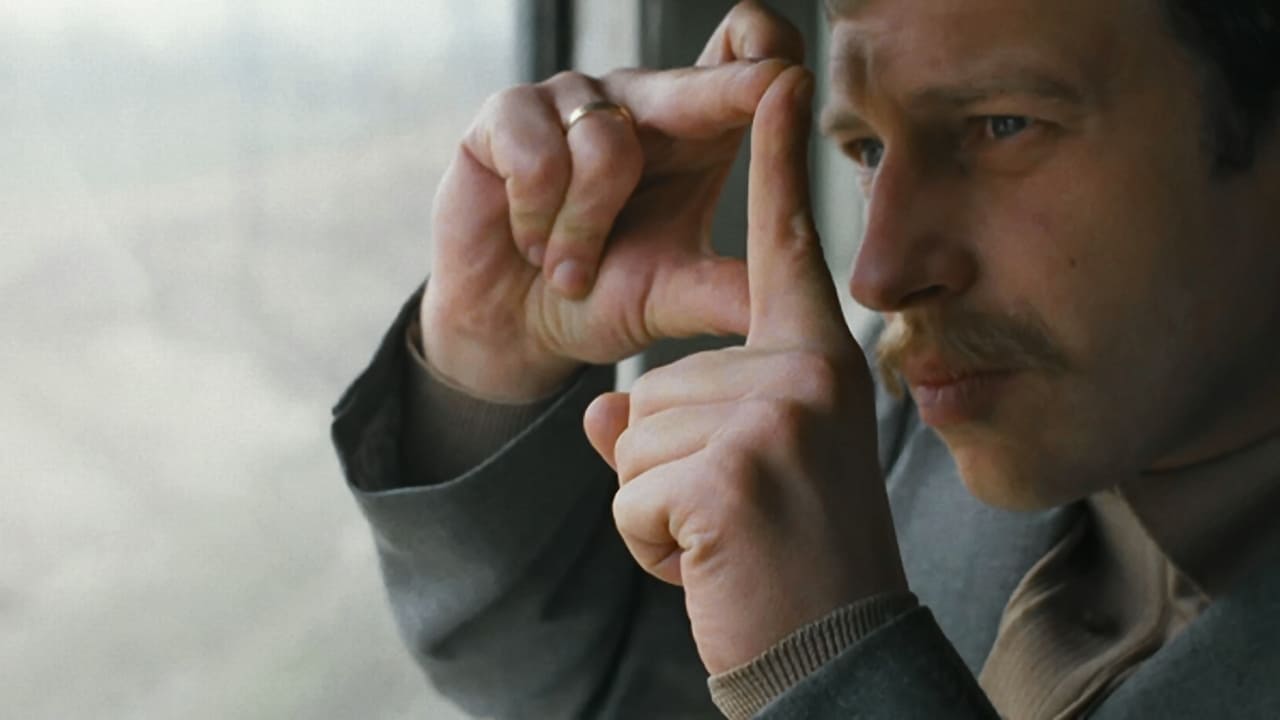 Poland101 films
 Netherlands and Flanders59 films
 Hungary and neighbours40 films
Comedy
View all 6.3
6.3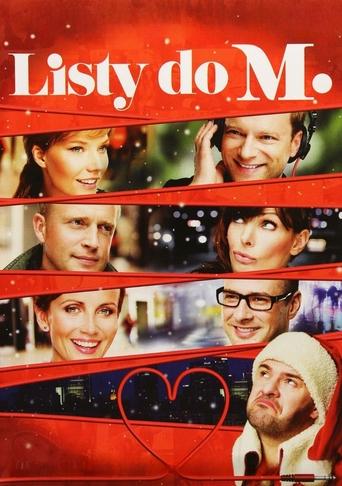 6.9
6.9 7.9
7.9 6.2
6.2 6.6
6.6 7.8
7.8Classics
View all 7.5
7.5 7.5
7.5 7.5
7.5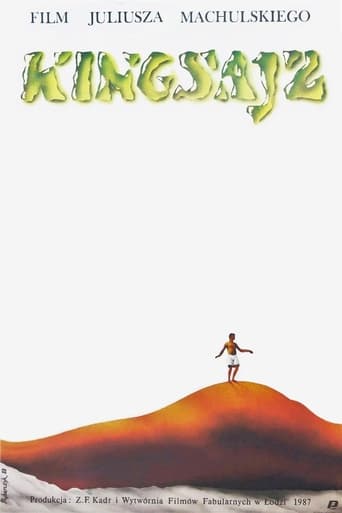 6.8
6.8 7.1
7.1 7.3
7.3Romance
View all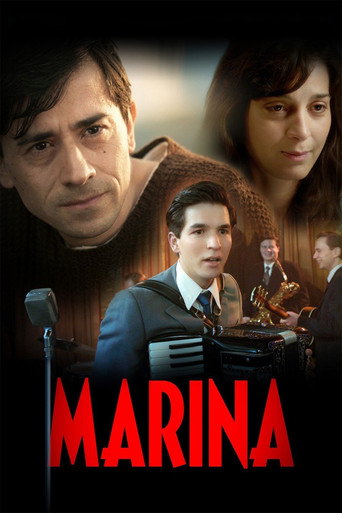 6.8
6.8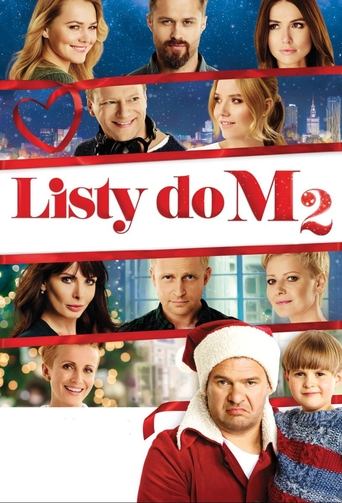 6.1
6.1 7.5
7.5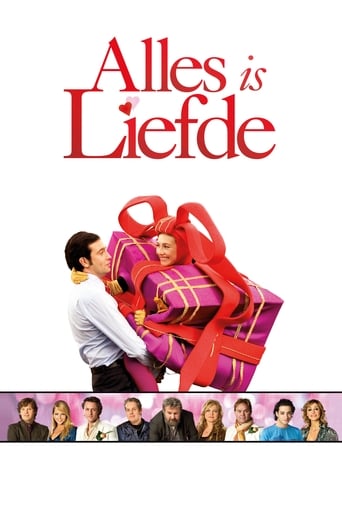 6.3
6.3 6.4
6.4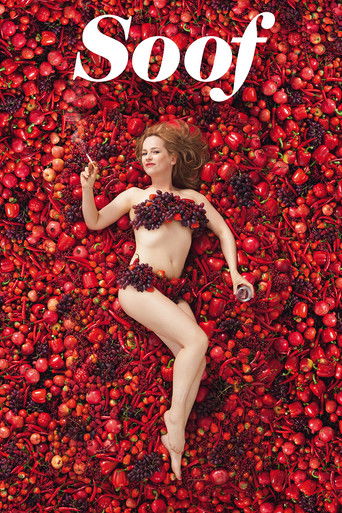 6.0
6.0Growing up
View all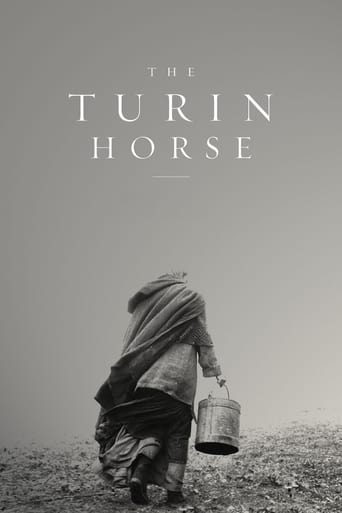 7.6
7.6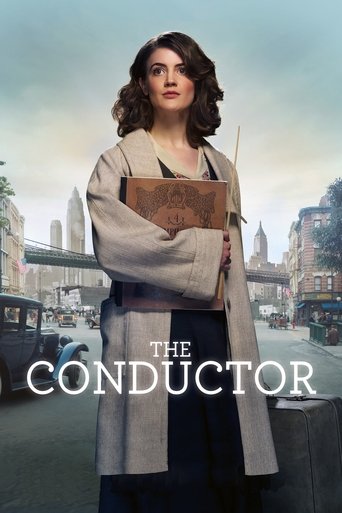 7.6
7.6 6.6
6.6 7.0
7.0 6.8
6.8 6.4
6.4Music and the arts
View all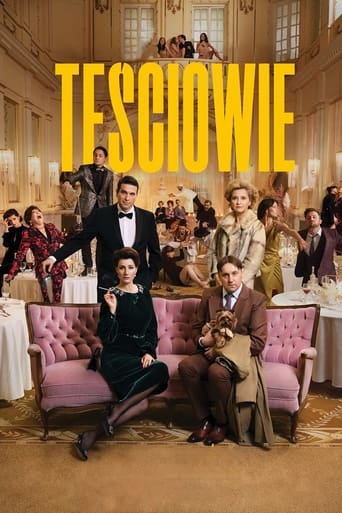 6.5
6.5 6.9
6.9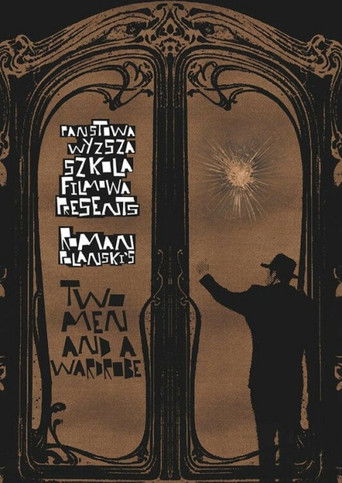 6.3
6.3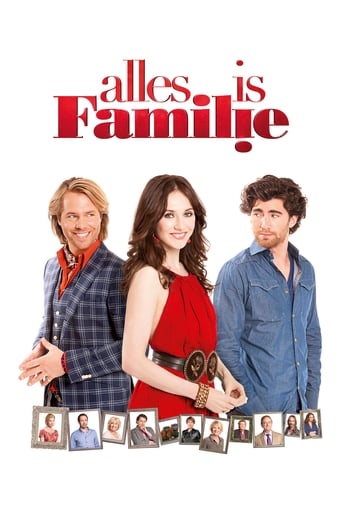 6.2
6.2 6.4
6.4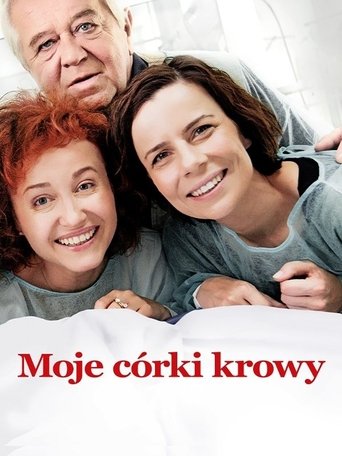 6.1
6.1Film series
View all 6.4
6.4 6.7
6.7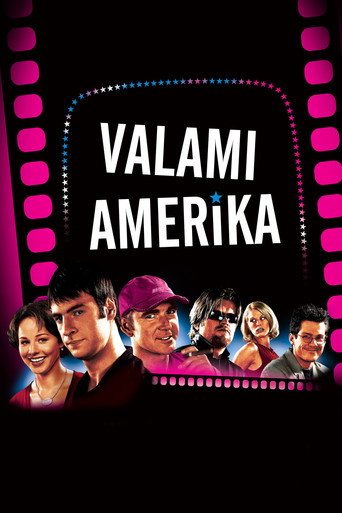 6.1
6.1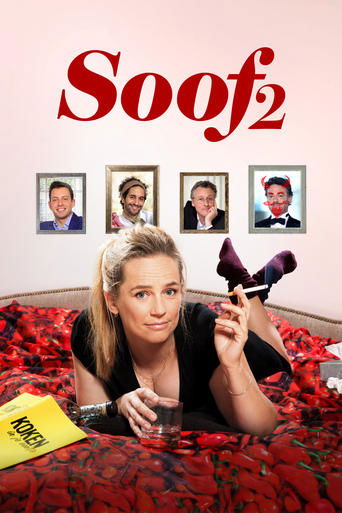 6.6
6.6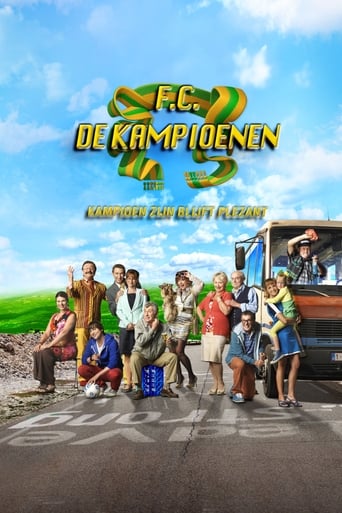 6.0
6.0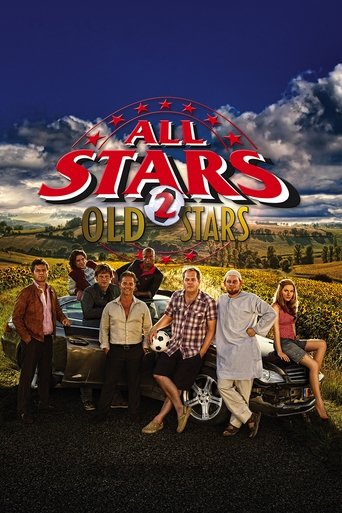 6.0
6.0The Cinema BZ guide to European films
Cinema BZ: European films from Poland, the Netherlands and Hungary, from Forgotten Love, Camera Buff and The Conductor to Teddy Bear, Just Say Yes and The Turin Horse
Europe has many more cinemas than the handful that usually reach an international audience. Poland has made films of great wit and moral seriousness for seventy years, and its comedies are quoted by heart at home. The Netherlands and Dutch-speaking Flanders produce warm, plain-spoken family films and a steady line of romantic comedies. Hungary has given the world some of its most admired directors and, less famously, a tradition of sly popular comedy. Cinema BZ is a guide to 200 films from these countries and their neighbours, made between 1955 and 2026. Each has its own page, its story, its director and cast, and a Watch now button that leads to the official services carrying it in your country.
The catalogue has been chosen for the whole household. Every summary was read by hand, and the selection favours comedy, romance, family stories, portraits of artists and humane drama. Crime pictures, films of the battlefield and adult dramas were left out. What remains includes a celebrated surgeon who loses his memory and becomes a village healer, a factory clerk who buys a small camera to film his baby and ends by filming his whole town, a Dutch girl of the nineteen-twenties who resolves to conduct an orchestra, and a sports club manager racing to London with half a passport.
What follows is arranged by country first and then by kind of film, with three films proposed for a first evening near the start and notes on directors, languages, search and My List at the close. All film titles are links, and the text is in English for viewers anywhere.
What Cinema BZ offers
Cinema BZ is a viewing guide. Each of its 200 film pages carries a poster, a still, the story in a paragraph, the year, the running time, the director, the principal cast, and the original title beside the English one. Beneath them sits one button, Watch now, which opens JustWatch for the country you select and shows the subscription, rental, purchase and free services that carry the film there. The guide itself holds pages of information, and the playing of every film happens on those official services.
A hundred and one of the films are in Polish, fifty-nine in Dutch, from both the Netherlands and Belgium, and forty in Hungarian, Czech and Slovak. By kind, 136 are dramas, 102 are comedies and forty-six are romances, with many films belonging to two of the three. Sixty-seven are classics made before 1990. Seventy-five concern childhood, school and youth, sixty-six are about musicians, painters, writers and film-makers, twenty-five belong to popular film series, twenty-three are set in the countryside, eighteen are about sport, and ten are Christmas films.
By period, forty-four films date from before 1980, thirty-two from 1980 to 1999, twenty-one from the 2000s, twenty-three from 2010 to 2014, forty-one from 2015 to 2019 and thirty-nine from 2020 onwards. The home page opens with a wide featured picture, the film's title in tall capitals. Three tiles beneath lead to the three groups of countries, and rows of six posters follow for comedy, classics, romance, growing up, music and the arts, and film series. A rail down the left side of every page holds the menu.
A first evening
Three films make good first choices, one from each group. From Poland comes Forgotten Love, from 2023. Rafał Wilczur, the most respected surgeon in Warsaw between the wars, loses his wife, his small daughter and, after a blow on the head, his memory, all in a matter of days. Years later a bearded wanderer with remarkable hands settles in a country mill and begins, quietly, to heal the villagers. Nearby lives a young woman who works in the tavern and is courted by the local count. The story comes from a novel that every Polish reader knows, and the film tells it handsomely, with Leszek Lichota as the doctor. Viewers have scored it 7.8.
From the Netherlands comes The Conductor, from 2018. Willy Wolters, born in Rotterdam and brought to America as a child, works as an usher in a New York concert hall in 1926 and wants one thing: to conduct. The profession is closed to women, her family thinks her mad, and a wealthy young man who admires her would prefer a wife. She goes to Berlin to study, and in time stands before the Philharmonic. The film is based on the life of Antonia Brico, who did all this, and it is an old-fashioned, satisfying biography with a great deal of fine music.
From Hungary comes Moscow Square, from 2001. It is the spring of 1989 in Budapest, and history is being made on the evening news. Petya and his classmates are about to leave school and care only about parties, girls, a trip to the West in a borrowed car and the rumour that the history examination questions have been leaked. The film is short, funny and exact about being eighteen, and it lets the great changes of that year pass in the background, as they did for most people. It was the first feature of its director, Ferenc Török, and has remained a favourite at home.
Poland: the classics
A hundred and one films are Polish, and the Polish films guide offers a route through them. The best known internationally are the work of two directors. Krzysztof Kieślowski has five films here, from his years in Poland before the Three Colours trilogy. Camera Buff, from 1979, stars Jerzy Stuhr as Filip, who buys an eight-millimetre camera when his daughter is born and is at once appointed film-maker to his factory. The more he films, the more he sees, and the hobby that began in happiness starts to cost him his peace at home and at work. It is a comedy that turns, by degrees, into a serious reflection on what it means to point a camera at the world.
Blind Chance follows a medical student who runs for a train, and then shows three different lives that follow from catching it, missing it, or colliding with a guard on the platform. Decalogue X, the last of his ten television films, is the comedy of the set: two brothers, a clerk and a rock singer, inherit their father's stamp collection and discover that it is worth a fortune, and that collecting is catching. Personnel, about a young tailor in the costume workshop of an opera house, and Pedestrian Subway, about a teacher who comes to Warsaw to win back his wife, show the director learning his trade.
Andrzej Wajda has five films as well. Man of Marble, from 1977, has a young film student, played with tremendous energy by Krystyna Janda, searching the archives for a bricklayer who was made a national hero in the fifties and then vanished from the newsreels. The Maids of Wilko, nominated for an Academy Award, sends a man in his late thirties back to the country house where, fifteen years before, he spent a summer among five sisters. The Wedding films a famous verse play set at a country wedding of 1900, Everything for Sale is a film about making a film after the loss of a beloved actor, and Roly Poly, written by the science fiction author Stanisław Lem, is a half-hour farce about a racing driver and the surgeons who keep rebuilding him.
Other masters are represented by single works. Wojciech Has adapted the great nineteenth-century novel The Doll, about a self-made merchant in love with an aristocrat's daughter, and later Chekhov in An Uneventful Story. Krzysztof Zanussi, a physicist before he was a director, made The Structure of Crystal, in which two former fellow students, one ambitious and one content with a weather station in the country, spend a few winter days together; and Camouflage, a duel of words between a cynical professor and an idealistic assistant at a summer school. Two short films made by Roman Polanski as a student, Two Men and a Wardrobe and The Lamp, run fifteen and eight minutes.
The romantic tradition is strong too. The Quack, from 1982, is the earlier film of the story told in Forgotten Love, directed by Jerzy Hoffman with Jerzy Bińczycki and Anna Dymna, and it is repeated on Polish television every year. The Leper, by the same director, is a tale of a governess and a young nobleman. Goodbye, Till Tomorrow, from 1960, sets a student actor, played by Zbigniew Cybulski, and the daughter of a French consul wandering through the old streets of Gdańsk; and The Last Day of Summer, from 1958, has just two characters and an empty Baltic beach.
Poland: the comedies
Polish comedy of the seventies and eighties has a flavour all its own, and the comedy guide begins there. Its master was Stanisław Bareja, who turned the daily absurdities of queues, permits and shortages into farce. Teddy Bear, from 1981, is his most famous film. Ryszard Ochódzki, known as Teddy Bear, the manager of a sports club, finds at the border that pages have been torn from his passport. He must reach London before his former wife does, and his scheme involves finding a double and having a film made as cover. Along the way the film collects dozens of small scenes, in a milk bar, a coal yard, a kiosk, that Polish audiences know line by line. It scores 7.8.
The same director's A Jungle Book of Regulations, from 1974, follows a young couple through the labyrinth of exchanging a single room for a flat, and Husband of His Wife, from 1961, is a lighter piece about a composer married to a champion sprinter. I Hate Mondays, by Tadeusz Chmielewski, weaves the misadventures of several strangers through one Warsaw Monday with hardly a word of dialogue needed. King Size, made by Juliusz Machulski in 1988, imagines a kingdom of gnomes living in the drawers of a library, and the potion that lets a few of them grow to human size and discover the world upstairs.
Country comedy has its classics in Take It Easy and Big Deal, the second and third films about two feuding farmers, Pawlak and Kargul, whose families were resettled side by side after the war; in the last of them the pair fly to Chicago to visit a brother. Egg Nogg and its sequel Topsy Turvy, or Egg Nogg 2, from the end of the eighties, follow a village girl who would sooner study in Warsaw than marry the neighbour's son. The Ascended, a gem of forty-five minutes, gives two friends a lottery win and a first flight in an aeroplane.
Recent comedies are glossier and just as popular. Letters to Santa, from 2011, weaves several love stories through one Christmas Eve in Warsaw and has grown into a series, four of whose films are here. Planet Single, from 2016, pairs a shy music teacher with a television host who makes her search for a partner into a show; two sequels follow. The In-Laws shuts two very different families together at a wedding reception after the wedding itself has been called off, and Divorce sends a couple who parted twenty years ago through the paperwork of an annulment. Taxing Love has a tax inspector fall for the man she is auditing.
Poland: recent drama
The Polish dramas of the last twenty years are often true stories, told with warmth. Life Feels Good, from 2013, is narrated by Mateusz, a boy with cerebral palsy whom doctors have wrongly judged unable to understand anything. He watches the stars, his family, the girls next door and the fall of the old order from his window, and waits for somebody to find a way of letting him speak. Dawid Ogrodnik's performance is astonishing, and the film is full of humour. Sonata tells of a boy thought for years to be autistic who is found, at fourteen, to be nearly deaf, and who then sets his heart on playing the piano. Carte Blanche is about a history teacher losing his sight who hides it in order to see his class through its final examinations, and Backwards about a mother who fights for a school place for her son.
Family gatherings are a favourite setting. In Silent Night, a young man working abroad arrives unannounced at his parents' farm on Christmas Eve with a plan he has told to nobody. In These Daughters of Mine, two sisters, an actress and a schoolteacher, who agree on little, must look after their parents together. Back Then remembers a childhood of the eighties in a crowded flat, with a small car that the father has waited years to buy. Off We Go, from 2025, puts grandparents, parents and children on the road across Poland.
A gentler, more fanciful strain runs through the work of Andrzej Jakimowski. In Tricks, six-year-old Stefek, who believes that small actions can nudge fate, sets about arranging for a man at the railway station, whom he takes to be his father, to notice his mother. In Squint Your Eyes, a ten-year-old girl who has left her well-off parents camps out with the caretaker of a disused farm. The Big Animal, directed by and starring Jerzy Stuhr from a script by Kieślowski, is a fable about a bank clerk and his wife who adopt a camel left behind by a circus, and about what the neighbours make of it. Time to Die gives the great actress Danuta Szaflarska, then past ninety, a film to herself, as a widow in a wooden villa with a dog for company and opinions on everything.
Several films are lives of artists. Papusza is the story of Bronisława Wajs, the first poet of the Polish Roma to be published. Simona Kossak follows the daughter of a family of famous painters who chose instead to live as a naturalist in the ancient forest of Białowieża. Chopin, a Sonata in Paris, from 2025, shows the composer at twenty-five among the salons of the French capital, and Fatherland, directed by Paweł Pawlikowski, travels with the novelist Thomas Mann and his daughter across Germany in 1949. Eccentrics, the Sunny Side of the Street brings a jazz trombonist home from England in the late fifties to start a swing band in a spa town, and Fierce recounts the rise of a singer of dance music from village weddings to stadiums.
The Netherlands and Flanders
Fifty-nine films are in Dutch, and the Dutch and Flemish films guide introduces them. The most honoured is Character, which won the Academy Award for foreign language film for 1997. Set in Rotterdam in the twenties, it follows a boy from the docks who is determined to become a lawyer, and the feared bailiff who places obstacles in his path at every step and who is, as the boy knows, his father. It is a dark, splendidly designed film, with Jan Decleir monumental as the bailiff. Its director, Mike van Diem, later made Tulipani: Love, Honour and a Bicycle, a sunny tall tale about a Dutch farmer who cycles to southern Italy after the floods of 1953 and grows tulips there, and, in 2025, Our Girls.
Dutch popular cinema excels at ensemble comedy. Love Is All, from 2007, braids together half a dozen romances in Amsterdam in the weeks before the feast of Saint Nicholas, with Carice van Houten among the cast. Family Way, by the same team, does the same for one large family. The Marathon is the pick of the bunch: four out-of-condition mechanics from a Rotterdam garage, deep in debt, wager the business on all of them finishing the city's marathon. It is very funny and, by the end, very moving. Just Say Yes, from 2021, is a bright wedding comedy; Soof and its two sequels follow a caterer and mother of three through her forties; and The Marriage Escape stars the comedian Herman Finkers as a husband so thoroughly cared for by his wife that he invents an illness to get a little peace.
The films for young audiences are excellent. In My Extraordinary Summer with Tess, a thoughtful boy on a seaside holiday meets a girl with a secret plan to meet the father who has yet to learn she exists. Romy's Salon is about a girl who helps in her grandmother's hairdressing shop and gradually takes charge as the grandmother grows forgetful. Fight Girl finds its heroine at a kick-boxing club, Misfit and Misfit 2 are cheerful school comedies, The Club of Ugly Children is an adventure with a point to make about appearances, and K3 and the Cat Prince is a musical fairy tale with a Flemish pop trio.
Older and odder pleasures are here as well. Fanfare, made by Bert Haanstra in 1958, is a comedy about a village brass band that splits into two rival bands on the eve of a competition, filmed among the canals of a village where the cows travel by boat. The Pointsman and The Illusionist, by Jos Stelling, are almost wordless films that play like silent comedies. Max Havelaar: or, The Coffee Auctions of the Dutch Trading Company is a handsome film of the classic novel about a colonial official with a conscience. From Flanders come Marina, the true story of an Italian miner's son in Belgium who wrote a hit song of the fifties; Manneken Pis, a tender romance between a dishwasher and a tram driver in Brussels; and the Oscar-nominated short Tanghi Argentini, in which an office worker has two weeks to learn the tango.
Hungary
Forty films come from Hungary and its neighbours, and the Hungarian films guide sorts them. Hungarian popular comedy is the least known abroad and the most fun to discover. The Stationmaster Meets His Match, from 1980, is told by Bendegúz, a boy sent to work for a grumpy railway crossing keeper on the great plain, who wages a campaign of pranks against his master. It is repeated on Hungarian television every holiday and scores 7.7. Football of the Good Old Days, from 1973, is set in 1924, when a laundry owner pours his heart and his savings into a hopeless football club; its motto, that a man needs a team, became a proverb. Lily Boy, from 1955, the oldest film in the catalogue, is a costume comedy about a troupe of strolling players, and Sparrows Are Birds Too has one comedian play twin brothers, one of whom has come home rich from America.
Later comedies carry on the line. In The Pregnant Papa, set in a village where every man is called Béla, a boy is christened Józsi and grows up to astonish everyone. A Kind of America, from 2002, and its sequel follow three brothers in Budapest, one of them a director of commercials who dreams of making a feature and believes he has found an American backer. The Dream Car remakes a famous romance of the thirties about a bank clerk and a mysterious motor car. Chuchotage, sixteen minutes long, takes place in an interpreters' booth at a conference, where two bored colleagues discover that exactly one delegate is listening to them.
The directors with international reputations are present too. Béla Tarr is represented by The Turin Horse, from 2011, his last film: six days in the life of a carter and his daughter in a stone house on a plain where the wind has begun to blow and will give them little rest. It is slow, bare and hypnotic, and belongs to an evening set aside for it. His early The Prefab People observes a young couple in a housing estate, and Journey on the Plain sets poems to landscapes. Márta Mészáros has three films about young women finding their own way, The Girl, Riddance and Diary for My Loves, and István Szabó has the playful short You and Budapest Tales, in which a group of strangers find an abandoned tram and decide to push it to the city.
A new generation has kept Hungarian cinema lively. Gábor Reisz made For Some Inexplicable Reason, about a graduate of twenty-nine adrift in Budapest after a break-up, made with little more than friends and a borrowed camera, and followed it with Bad Poems. One Day stays with a mother of three through twenty-four ordinary, breathless hours. Lesson Learned watches a boy newly returned from Berlin trying to make sense of his new school. Semmelweis, from 2023, is a handsome period film about the doctor in Vienna who discovered why washing hands saves lives and had to fight his own profession to prove it; it scores 7.8. Cream is a romantic comedy set in a pastry shop, and Christmas Flame one about a fireman with a sudden fear of heights.
From the Czech and Slovak lands come four films. Smoke on the Potato Fields, by František Vláčil, follows a doctor who leaves Prague for a country practice and slowly becomes part of the place. The Cry, from 1964, spends a single day with a television repairman on his rounds while his wife is in hospital awaiting their first child. Veteran is a recent story of a man returning to his home town after twenty years away, and The Copper Tower is set among friends at a mountain hut in the High Tatras.
Classics
Sixty-seven films were made before 1990, and the classics guide arranges them by decade. Taken together they are a reminder of how rich the cinemas of central Europe were in those years. The state studios trained their directors thoroughly and gave them time; the audiences were large and attentive; and humour became a fine instrument for saying what could be said in few other ways. That is why so many of these films are comedies with a second meaning, and why they have lasted.
Some to seek out beyond the famous names: Hotel Pacific, about a country boy who starts as a dishwasher in a grand restaurant of the thirties and learns its hierarchy from the bottom; Top Dog, with Jerzy Stuhr as a master of ceremonies who will do anything to host the biggest ball in town; Heat, a musical comedy in which two elderly gentlemen are left in charge of the city for one sweltering day; Matthew's Days, a quiet, luminous film about a gentle man who lives by a lake with his sister; and Be Good All Your Life, from 1960, the story of a conscientious schoolboy at an old Hungarian boarding school, taken from a novel that generations have read in class.
Drama
A hundred and thirty-six films are dramas, and the drama guide groups them. Many are about the moment when an ordinary person has to decide what kind of person to be. The films of Kieślowski and Zanussi belong here, and so do The Supplement, about a medical student uncertain of his calling, and Mug, which won a Silver Bear at Berlin in 2018: a cheerful young man from a village receives a new face after an accident, and finds that the village is slower to accept it than he is. Erratum sends an accountant back to the town he left and to the father he has avoided.
The Dutch dramas are often about families under strain. In Jackie, twin sisters travel to New Mexico to meet the American woman who gave birth to them, played by Holly Hunter, and find themselves driving her across the desert in a camper van. The Storm is set during the great flood of 1953, when a young mother searches for her baby with the help of a naval lieutenant. A Noble Intention is a rich period piece about a violin maker in the Amsterdam of 1888 who refuses to sell his house to the builders of a grand hotel. Memory Lane follows a couple married nearly fifty years on a last road trip to the south, and Cleo, Bluebird and Nowhere are small, careful portraits of young people finding their feet.
Work, housing and everyday life
A great many of these films are about ordinary life, and that is a large part of their appeal to a viewer from elsewhere: they show how people in Łódź, Rotterdam or Budapest have actually lived. Housing is a subject in itself. In Człowiek z M-3, a comedy of 1969, a young doctor is allotted a flat on condition that he marries within thirty days. In The Beads of One Rosary, an old Silesian miner, decorated many times over, refuses to leave his cottage when the estate is cleared for tower blocks. The Hungarian Eviction, from 2022, gives a young bailiff a first case that goes anything but smoothly, and Fresh Air is a small, exact study of a mother and her teenage daughter sharing a flat and very little conversation.
Work is another. Women's Day follows a checkout assistant promoted to manage her supermarket, who discovers what the promotion will ask of her. A Party for Ten, Plus Three is a comedy about a gang of casual labourers hired to unload railway wagons. 1800 Grams is set in a centre that finds families for very young children, and The Citizen in a Budapest supermarket where a security guard from Africa is studying for his citizenship examination with the help of a teacher. In the Netherlands, Ome Cor is about a Rotterdam docker trying to put his affairs in order, Doris about a mother of two starting again at forty-five, and Crypto Boy about a restaurant owner's son dazzled by the promise of easy money.
The turning points of recent history appear at street level. Blockade recalls the days in 1990 when the taxi drivers of Budapest closed the bridges over the price of petrol and a new president had to find a peaceful way out. Junk Movie and It's Rain and Shine Together catch Hungarian manners on either side of 1989. Colonel Kwiatkowski, by Kazimierz Kutz, is a picaresque comedy about an army doctor who awards himself a promotion and travels the country setting things right. How Much Does the Trojan Horse Weigh? lets a contented woman of forty slip back from the eve of 2000 to 1987, with a chance to arrange her life differently, and she finds that she misses the present more than she expected.
Finally there are films that simply watch people be themselves. Stardust spends time with an elderly couple who live close to nature while the husband builds a small dam to make his own electricity. Fanatyk is a short comedy about a father whose passion for fishing has taken over the household. Your Mother Should Know has a young photographer move back home and become his mother's adviser on courtship, and With Friends Like These, an early film by Felix van Groeningen, gathers a circle of friends when one of them returns from New York. Lotus and Becoming Mona are quiet mosaics of city life, and Sum of Histories adds a touch of science fiction: a physicist finds a way to send messages to his own past.
Seen together, these films make a patient and affectionate record of half a century of European life: its kitchens, tram stops, allotments, school corridors and village halls, and the humour with which people have met whatever came their way. That is something the cinema does better than any history book.
Romance
Forty-six films are love stories, and the romance guide lists them. Besides the costume romances already mentioned, there are modern ones in every language. In Polish: In Love, about a young woman whom every man adores, Love and Dance, in which a journalist discovers a gift for the dance floor, Songs About Love, about the son of a famous actor and a singer from a small town who make a record together, and Photosensitive, from 2025, about a photographer and a woman with impaired sight. In Dutch: Foodies, in which a food writer accidentally publishes a scathing review of the restaurant of the chef she has just fallen for; Brasserie Romance, set in a family restaurant on Valentine's Day; The Balloonist, in which a balloon pilot lands on a chicken coop; and Rafaël, the true story of a Dutch woman and her Tunisian husband separated by borders.
Film series
Twenty-five films belong to popular series, and the film series guide explains the order in which to watch them. They are the films that fill cinemas at home, and they are a good way to hear a language as it is really spoken. The Polish series are Letters to Santa, Planet Single, The In-Laws and the Pawlak and Kargul comedies. The Dutch ones are Soof, Misfit and All Stars 2: Old Stars, which reunites an amateur football team for a weekend in Barcelona. From Flanders come two films with the cast of the long-running football comedy F.C. De Kampioenen, and from Hungary the two parts of A Kind of America. Each film stands well enough alone.
Christmas
Ten films are set at Christmas, and the Christmas guide presents them. Polish Christmas Eve, with its twelve dishes, its shared wafer and its empty place laid for an unexpected guest, gives the Letters to Santa films and Silent Night their particular atmosphere. The Dutch celebrate early in December, when Saint Nicholas arrives by steamboat, and that is the season of Love Is All; All You Need Is Love is about the Christmas special of a television programme that reunites families. They make a pleasant change from the snowbound small towns of American holiday films.
Music and the arts
Sixty-six films are about artists of one kind or another, and the music and the arts guide picks through them. Cinema about cinema is a speciality of the region. In Escape from the Liberty Cinema, from 1990, the characters in a sentimental film being shown in a provincial picture house suddenly refuse to speak their lines, and the weary local censor, played by Janusz Gajos, is sent to restore order; he ends by stepping into the screen. Final Cut: Ladies and Gentlemen, from 2012, tells one love story using shots taken from some five hundred famous films, so that the hero and heroine change faces from second to second. New Book, a ten-minute experiment by Zbigniew Rybczyński, divides the screen into nine windows on one town square.
Painters and musicians have their films. Csontvary is a dreamlike portrait of a Hungarian pharmacist who became a visionary painter. The Knight, an early work by Lech Majewski, sends a medieval knight in search of a harp with golden strings, in images modelled on old paintings. The Illusionist concerns two brothers and a conjuror's stage, Exterminator: Ready To Roll a heavy metal band re-formed with money from the town hall, and Wind, six minutes long and winner of the short film Palme d'Or at Cannes in 1996, a single slow turn of the camera around a field.
Growing up
Seventy-five films have children or young people at their centre, and the growing up guide arranges them by age. Beyond the Dutch family films and the two by Jakimowski, look for Being Like Deyna, about a boy born on the day a great footballer scored a famous goal, of whom great things are therefore expected; The Last Schoolbell, in which a class puts on a play of its own in 1989; and 7 Emotions, a comedy in which grown actors play the schoolchildren they once were. From the Netherlands come Sevilla and Rabat, two road films in which young friends drive south across Europe and come back changed, and Adios Amigos, about three friends with disabilities who set off on holiday in spite of their parents' doubts.
Sport and the countryside
Eighteen films are about sport. Football, naturally, leads, in Soccer Poker, a satire on the Polish league of the eighties, and in the Flemish and Dutch comedies. Walkover, made by Jerzy Skolimowski in 1965 in only twenty-nine long shots, follows a drifting amateur boxer through one day, and The Big Race is about a cross-country run of 1952 with a motorcycle as the prize. Twenty-three films are set in the countryside: among the reeds and canals of Fanfare, on the Hungarian plain, in the Polish highlands of Szabla od komendanta, and in the forests of Axiliad, where a young poet takes a job as a woodcutter.
Directors
The directors guide lists the film-makers with several films in the catalogue. Kieślowski and Wajda have five each. Bareja, Zanussi and Kazimierz Kutz have three, as do Béla Tarr and Márta Mészáros in Hungary and Mike van Diem and Joram Lürsen in the Netherlands. Juliusz Machulski, Jerzy Hoffman, Andrzej Kondratiuk, Wojciech Has, Jos Stelling and Gábor Reisz have two apiece. Following a director is one of the best ways to explore: the step from Camera Buff to Blind Chance, or from Love Is All to A Noble Intention, shows how wide a single film-maker's range can be.
Actors are guides as well. Jerzy Stuhr appears in six of the Polish films across four decades and directs a seventh. Maciej Stuhr, his son, is the star of the Planet Single and Letters to Santa films. Zbigniew Zamachowski, Janusz Gajos and Anna Dymna recur, and in the Dutch films so do Carice van Houten, her sister Jelka, Fedja van Huêt and Martin van Waardenberg. Every film page lists its principal cast.
Languages and subtitles
Five languages are spoken in these films. Polish, Czech and Slovak are Slavic languages and close cousins; Dutch is a near relation of English and German, and Flemish is the Dutch of northern Belgium; Hungarian stands apart from all of them and is related, distantly, to Finnish. Most services offer English subtitles, chosen from the language menu on the player. Each film page shows the original title beside the English one, and a few films are listed under their original titles alone, such as Jak poślubić milionera?, a comedy whose title means how to marry a millionaire, and Wat is dan liefde, a Dutch romance set in a law office.
Choosing well
A few habits help with choosing. For a mixed household, begin with the Dutch family films, the Polish comedies of recent years and the romances. For older children, the films about school and growing up are rewarding. For the adults, the classics of Kieślowski, Wajda and Zanussi and the Hungarian films of Mészáros and Tarr ask for attention and repay it. Running times range from six minutes to two and a half hours, and each film page gives the length. Top rated holds the thirty-six films with a viewer score of 7.2 or more; I Call Him Dog, a Dutch comedy of 2026 about a solitary man who inherits a dog, currently leads it.
Search, lists and My List
The search field in the top bar answers as you type and sets aside filler words such as watch, online and free. It accepts English and original titles alike. The finding titles page describes the search, the lists and the A to Z, which sets out all 200 films in alphabetical order.
Twenty-one lists divide the catalogue. Three follow the countries: Poland, the Netherlands and Flanders, and Hungary and neighbours. Three follow kind: comedy, drama and romance. Seven follow theme: classics, film series, Christmas, music and the arts, growing up, sport and the countryside. Six follow the years, Top rated holds the highest scored films, and All titles holds everything. A film may sit in several lists at once, so Fanfare is found under the Netherlands and Flanders, comedy, classics, music and the arts and the countryside alike.
My List is your saved row of films. Each film page carries an Add to My List button, and the My List button at the foot of the side rail opens the row as a grid of posters. It is kept by the browser on this device only and reappears each time you come back, and the list page can write it to a file to restore elsewhere. The My List page gives the steps, and the how to watch page explains the path from a title to a service.
A film page on Cinema BZ is laid out for a quick decision: the still and poster first, then the year, running time and genres, the story in a paragraph, the director and cast, and finally the country selector with its Watch now button. Fifteen countries are offered, Poland, the Netherlands, Belgium and Hungary among them, and the choice is remembered for the next film.
Four evenings, three countries
A simple plan shows the range of these European films. On the first evening, Poland at its most romantic: Forgotten Love. On the second, Poland at its funniest: Teddy Bear, or King Size with the children. On the third, the Netherlands: The Marathon for laughter, The Conductor for music. On the fourth, Hungary: Moscow Square, with Chuchotage as the short before it. After that the side rail will carry you on, and Camera Buff will be waiting.
Questions and answers
Questions
What is Cinema BZ?
Cinema BZ is a guide to 200 European films from Poland, the Netherlands, Flanders and Hungary, 1955 to 2026, each with its story, cast and a Watch now button to the official services that carry it.
Which film should I watch first?
Start with Forgotten Love, The Conductor or Moscow Square. They introduce Polish romance, Dutch biography and Hungarian comedy.
Is the catalogue suitable for families?
Yes. Every summary was read by hand, and crime films, films of the battlefield and adult dramas were left out. Some classics are thoughtful and slow and suit older viewers.
Which languages are the films in?
A hundred and one are in Polish, fifty-nine in Dutch and forty in Hungarian, Czech or Slovak. Most services offer English subtitles.
Who are the best known directors?
Krzysztof Kieslowski and Andrzej Wajda from Poland, Bela Tarr and Marta Meszaros from Hungary, and Mike van Diem from the Netherlands.
Are there short films?
Yes. Wind runs about six minutes, The Lamp eight, New Book ten and Chuchotage sixteen.
How does My List work?
Press Add to My List on any film page. The list is kept by the browser on this device, and the list page can write it to a file.
Does Cinema BZ host films or downloads?
Cinema BZ is a guide only. Every Watch now button opens JustWatch, which lists the official streaming, rental and purchase services for your country.
